We are living in the era of visual food, where a dessert’s aesthetic appeal is just as important as its flavor profile. And in this incredibly competitive, camera-first landscape, a new heavyweight champion has emerged. If you want to understand the future of frozen desserts, you need to look east. The phenomenon of 3D ice cream China is completely rewriting the rules of what a popsicle can be, transforming simple snacks into intricate, highly shareable, and edible works of art.
Eating with Our Eyes: The TikTok and Instagram Revolution
To understand the massive potential of this trend, we first need to talk about how we eat today. Thanks to platforms like TikTok and Instagram, our kitchens and local cafes have been transformed into digital stages. Food is no longer just about sustenance; it is a form of self-expression. Think about the viral food trends of the past few years, from the cloud cream hacks to color-changing sorbets and “swavory” (sweet and savory) snacks. These trends spread like wildfire because they are highly visual and incredibly interactive.
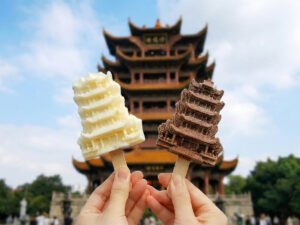
In China, this visual food culture has evolved into a massive “check-in” economy. Young consumers and tourists are absolutely obsessed with buying highly detailed, culturally relevant ice creams just to snap a photo with them. Imagine holding a perfectly sculpted, matcha-flavored ice cream shaped like a blooming flower with delicate petals right in front of a historic garden. Holding one of these special ice creams and sharing a photo online has essentially become a mandatory “must-do” activity that amplifies the cultural experience of any outing.
Museums and tourist sites are totally leaning into this. For instance, the Handan Museum introduced creative ice creams inspired by their precious artifacts, even selling them in mysterious “blind boxes” to make the experience a fun, gamified surprise. The success of this “check-in” culture proves that consumers are more than willing to pay premium prices for an experience that looks amazing on their feed.
The Magic Behind the Mold: It’s Not What You Think
When people hear the term “3D ice cream,” their minds usually jump straight to 3D food printing. While 3D food printing is a super cool technology being used for high-end gourmet plating and personalized nutrition, it is notoriously slow and expensive. It is simply not suited for mass-producing thousands of treats a day.
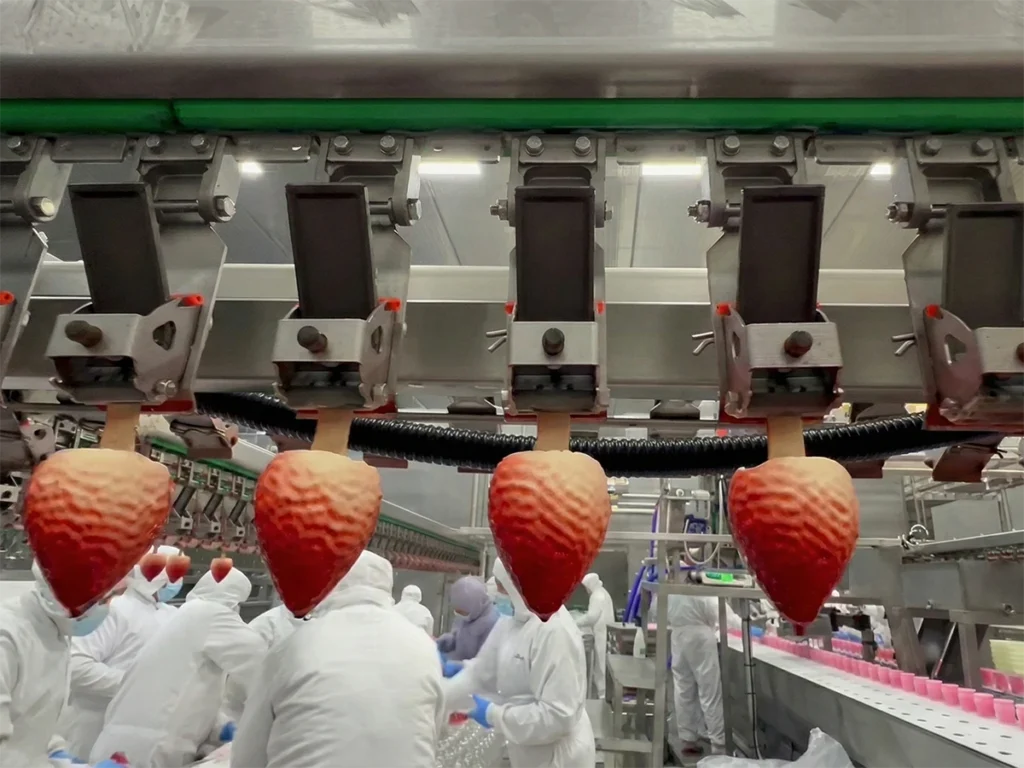
So, how does the 3D ice cream China industry create millions of these intricate treats so quickly? The secret isn’t printing; it’s next-level silicone molding.
Traditional industrial ice cream manufacturing usually relies on rigid metal molds or standard extrusion methods. This is great for making basic shapes, but it has a massive limitation: it cannot handle “undercuts”. If you try to pull a highly detailed, rigid frozen shape out of a stiff metal mold, all the beautiful little details will just snap right off. This is why Western novelty ice creams, like the beloved Disney Mickey Premium Bar, are relatively simple silhouettes. Even with fun upgrades like hand-dipped chocolate and freeze-dried Skittles, the base shape remains flat and basic.
Chinese manufacturers solved this problem by pioneering the use of food-grade, highly flexible silicone molds. Because silicone is soft and pliable, it can be peeled away from the frozen ice cream without damaging the incredibly complex textures underneath. This allows manufacturers to create features that were previously impossible: the intricate curved tiles of ancient architecture, the curly hair of a guardian lion, or the textured skin of a perfectly realistic peach.
The Unbeatable Edge of Chinese Manufacturing
Now, having a cool idea is one thing, but producing it at a massive scale without breaking the bank is where the magic truly happens. This is exactly where the 3D ice cream China manufacturing ecosystem flexes its muscles.
China’s frozen dessert industry has matured significantly, boasting modern, high-tech facilities that meet the strictest international standards, including FDA and EU export approvals. More importantly, production costs in China generally run 30% to 50% lower than their North American or European equivalents. This massive cost advantage means that brands can afford to invest in the premium packaging and specialized cold-chain logistics required to keep these fragile 3D sculptures intact during transport.
Furthermore, the agility of Chinese manufacturers is completely unmatched. If a global brand wants to test a wild new shape for a summer marketing campaign, Chinese OEM (Original Equipment Manufacturer) factories can turn that concept into a reality at lightning speed.
The Boba Blueprint: Preparing for Global Domination
You might be wondering: “Sure, this is huge in Asia, but will it really catch on in the West?”
If you want a preview of what is about to happen, just look at the history of Boba (bubble) tea. Back in the 1980s, bubble tea was invented in Taiwan as a quirky, chewy beverage. When it first migrated to the US West Coast in the 1990s, it was largely confined to niche immigrant communities and small family-run shops. Fast forward to today, and Boba is an absolute global phenomenon. College towns are packed with Boba shops, and the drink has seamlessly integrated into mainstream Western youth culture.
Why did Boba win? Because it offered a highly customizable, texturally unique, and visually fun experience that young people loved to share.
The 3D ice cream China trend shares that exact same DNA. It is a sensory delight that begs to be photographed and talked about. Western consumers are already proving they are hungry for this kind of engagement. Look at major Western brands like Magnum; they are actively using social listening and AI to figure out what Gen Z wants, realizing that younger consumers demand variety, innovation, and “snack-size” indulgences that provide emotional comfort. Western consumers are already chasing viral food aesthetics online; they just haven’t had access to this level of structural creativity in their freezer aisles yet.
Imagine a pop-up shop in New York or London selling hyper-realistic 3D ice creams shaped like the Statue of Liberty, Big Ben, or even viral internet memes. The lines would stretch around the block. By offering a product that is equal parts delicious dessert and interactive toy, the potential for virality in the Western market is practically guaranteed.
Breaking the Ice: Overcoming Export Hurdles
Of course, taking over the global dessert market isn’t without its challenges. The biggest roadblock for exporting traditional ice cream from China to the West is the strict regulatory environment surrounding dairy products.
But once again, the 3D ice cream China supply chain is already adapting. To bypass the heavy red tape associated with milk and cream, clever manufacturers are heavily pivoting to dairy-free alternatives. They are utilizing their incredible 3D molding techniques to produce fruit-based sorbets, snow ice, and plant-based desserts made from coconut or oat milk.
This isn’t just a regulatory workaround; it is actually a brilliant business move. European and American markets are currently experiencing a massive boom in demand for plant-based and “better-for-you” treats. By combining mind-blowing 3D aesthetics with clean, dairy-free ingredient profiles, Chinese manufacturers are perfectly aligning their products with the health-conscious trends dominating the West. Add in Halal certifications for the booming Middle Eastern and Southeast Asian markets, and you have a product line built for total global reach.
The Sweet Future of Dessert
As domestic competition in China heats up and budget-friendly ice creams reclaim their spot in local freezers, top-tier manufacturers are increasingly looking beyond their borders to showcase their premium creations. The combination of high-precision silicone molding, rapid prototyping, and cost-effective mass production makes the 3D ice cream China ecosystem an unstoppable force in the food and beverage industry.
We are officially moving past the era of boring, flat popsicles. The future of dessert is sculptural, interactive, and undeniably photogenic. As global retail chains and private-label brands scramble to find the next big thing that will make their customers stop scrolling and start snacking, they are going to turn to the manufacturers who can deliver art on a stick.
So, the next time you are mindlessly scrolling through your TikTok feed and see an influencer biting into a perfectly detailed, hyper-realistic ice cream peach, just remember where it came from. The 3D dessert revolution is here, and it is looking absolutely delicious.
*What shape of 3D ice cream would you wait in line for?