
Imagine this: A container full of creamy, perfectly swirled ice cream is loaded onto a massive cargo ship, ready to embark on a long journey across the seas. This isn’t just any dessert; it’s a carefully crafted, frozen masterpiece, and the slightest temperature fluctuation could turn that smooth, indulgent texture into a soggy, icy mess. So, how does ice cream survive the highs and lows of international travel without losing its charm?
When it comes to cold chain transportation, the stakes are high. Ice cream is a product that depends on precision—both in its creation and in its journey to you. Let’s dive into the fascinating world of ice cream logistics and discover the key factors that keep this beloved treat intact as it travels across the globe.
1. Temperature: The Most Important Ingredient
If there’s one thing that ice cream cannot live without, it’s cold—lots of it. Keeping ice cream at the right temperature is absolutely non-negotiable. In fact, it should stay at or below -18°C (0°F) from the moment it leaves the factory until it’s sitting on a store shelf.
So, how do they make sure this happens? Enter the reefer container—a refrigerated shipping container that acts as the unsung hero of ice cream transportation. These containers are equipped with sophisticated cooling systems that keep ice cream in its frozen state for days, sometimes weeks, as it crosses oceans and continents. But it’s not just about turning on the cooler and calling it a day.
Before the ice cream is loaded, the container itself must be pre-cooled to the right temperature. Think of it as setting the stage for a perfect performance. If the container is too warm, even the best ice cream will suffer.
2. Packaging: The Ice Cream’s Armor
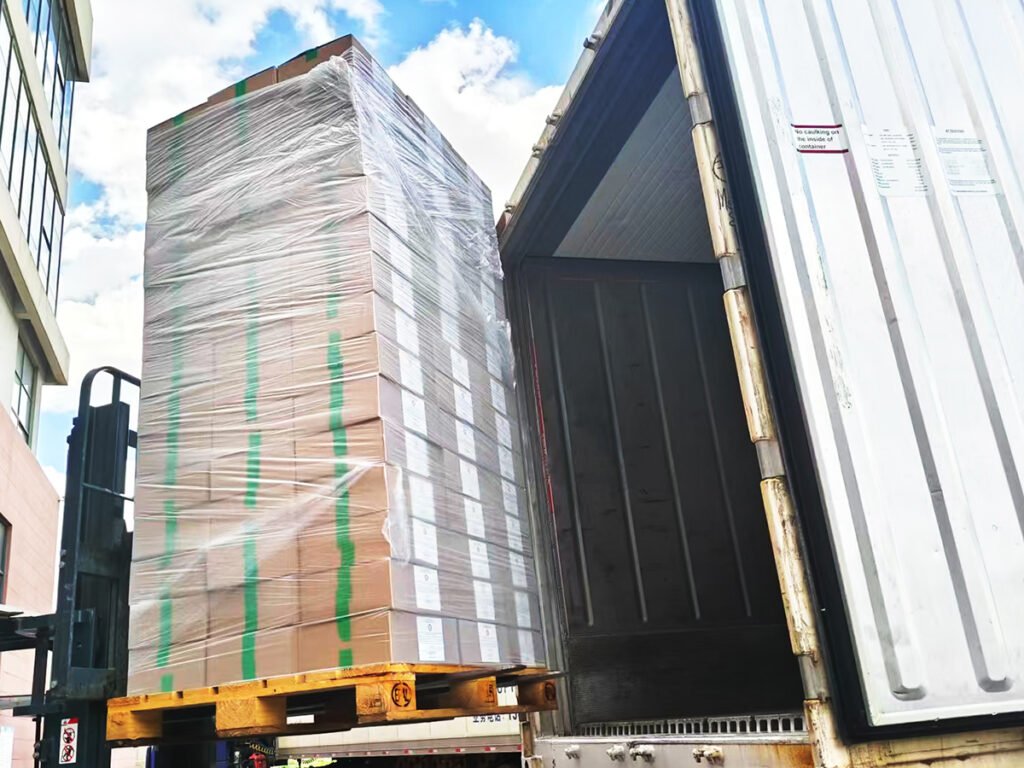
Ever wondered how ice cream survives the rough ride of international shipping? Well, it’s not just the refrigerated container doing all the heavy lifting. The packaging is equally important. Insulated boxes and pallets—sometimes lined with foam or thick thermal wraps—help to keep the precious product cold and shielded from external temperatures.
Sometimes we put dry ice and gel packs inside. When ice cream needs extra protection (think hot climates or long voyages), dry ice steps in. It’s cold enough to keep the ice cream frozen, while also adding a dramatic, foggy effect during unloading. If you’re shipping to a warmer destination, gel packs can act as backup chillers, absorbing heat to ensure the ice cream stays frosty until it reaches its final destination.
3. Humidity: Keeping It Dry, Keeping It Smooth
Humidity is the invisible enemy when it comes to ice cream. Too much moisture in the container, and you risk freezer burn or unsightly ice crystals. If you’ve ever eaten ice cream that’s been refrozen, you know the texture is completely different from the creamy treat you started with.
Thankfully, modern refrigerated containers are equipped with humidity control systems, ensuring the environment stays dry, preventing the formation of condensation inside the box. This delicate balance keeps the ice cream’s texture smooth and its flavor intact. Some clever packaging designs even go the extra mile by using sealed wrappers to further minimize moisture exposure.
4. Route Planning: The Fast Track to Deliciousness
In the world of ice cream shipping, time is of the essence. The longer the journey, the greater the risk. So how do logistics experts plan the ideal route for ice cream shipments? They’re all about speed, precision, and minimizing delays.
From bustling ports to time-zone differences, every detail counts. If a container is stuck in customs for too long, or if it sits in a warehouse exposed to warmer air, the ice cream could start to lose its chill. This is why efficient transit times are critical. Shorter routes reduce the risk of mishandling, while also ensuring that the ice cream arrives with the right texture and flavor intact.
5. Monitoring: The Eyes and Ears of the Cold Chain
What happens if the temperature drops or spikes during transit? How can the crew know if the ice cream’s perfect state is in jeopardy? That’s where real-time monitoring steps in.
Modern reefer containers are equipped with sensors that track not just temperature, but also humidity and other environmental factors. These sensors send continuous updates, ensuring the ice cream’s condition is monitored every step of the way. If something goes awry—a malfunctioning cooler or a sudden rise in temperature—the system alerts the shipping company, allowing them to take corrective action immediately.
Gone are the days of wondering whether your ice cream arrived in one piece. Now, with digital tracking, you can monitor every moment of its cold chain journey.
6. Customs and Compliance: Crossing Borders Without a Hitch
When ice cream travels internationally, it’s not just about keeping it cold; it’s about ensuring that all the paperwork is in order. Different countries have different regulations, and it’s essential that every detail is accounted for. From the right certificates for food safety to compliance with temperature standards, customs officials need to know that everything is above board before they let the shipment through.
Navigating these regulations might sound like a maze, but it’s vital. A slip-up could mean delays, spoilage, or even denied entry at the border. Luckily, experienced logistics teams are familiar with the intricacies of international food shipments, so your ice cream is in good hands.
7. Risk Management: Always Be Prepared
In any journey, especially one as long and unpredictable as an international shipment, things can go wrong. Equipment can fail. Storms can hit. Ports can experience unexpected delays. This is why contingency planning is a cornerstone of cold chain logistics.
Reefer containers often come equipped with backup power systems in case of a cooling unit failure. Some shipments are insured to cover any damage caused by temperature fluctuations or shipping delays. Shipping companies also prepare for the worst by keeping spare equipment ready and having rerouting options available in case of unforeseen disruptions.
The Journey to Sweet Success
Transporting ice cream across the world isn’t as simple as throwing it in a box and hoping for the best. It’s a carefully orchestrated process that requires expert planning, precise temperature control, and a keen eye on every detail—from packaging to route planning to monitoring the temperature every step of the way.
When done right, the result is a perfectly chilled tub of ice cream that arrives as fresh and delicious as the day it was made—ready to be scooped, savored, and enjoyed. So, the next time you indulge in that sweet frozen treat, remember the journey it took to get to your spoon. It’s not just cold; it’s artfully crafted, chilled to perfection, and delivered with care.