Have you ever stopped to read the label on a tub of ice cream?
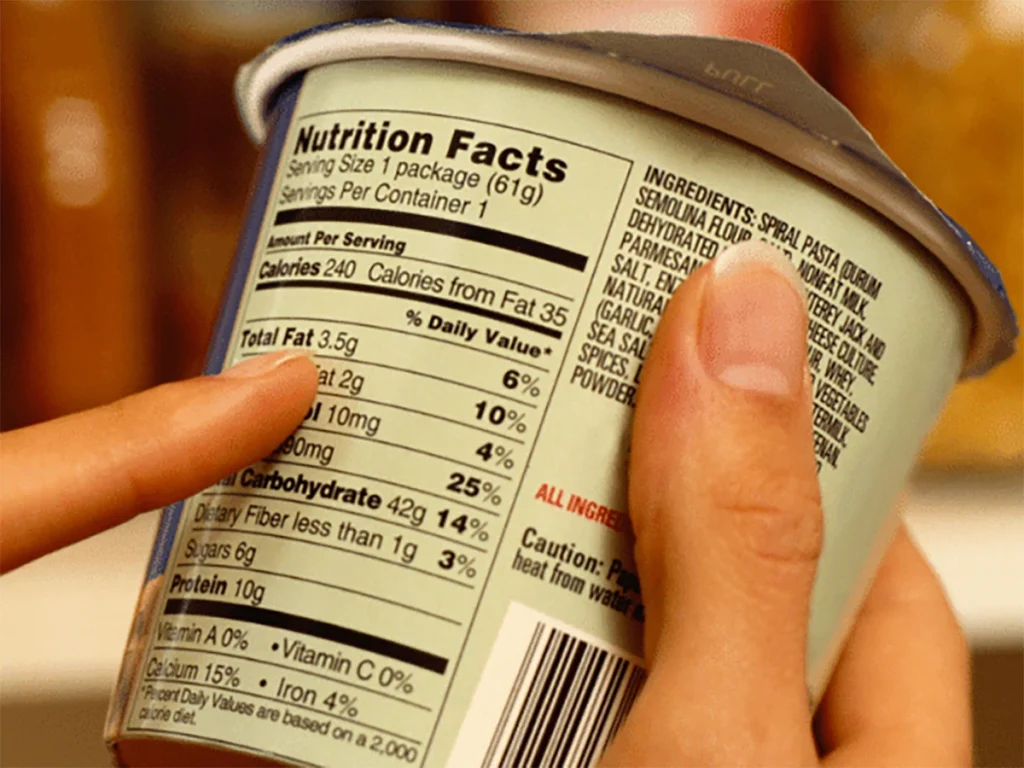
Food labeling is a serious matter. Governments around the world have created strict rules to make sure consumers know exactly what they are eating. These rules protect people with food allergies, help people make healthy dietary choices, and stop companies from tricking buyers with cheap ingredients. Because ice cream is a complex mixture of fat, sugar, water, and air, it is heavily regulated.
The Universal Basics: What Every Label Needs
Before we look at specific countries, it is important to understand the basic rules that almost every major country agrees on. No matter where you are in the world, an ice cream label must generally include:
- The Name of the Food: It must accurately describe what the product is.
- Net Quantity: How much ice cream is in the box, usually measured in volume (milliliters) or weight (grams).
- List of Ingredients: Everything used to make the ice cream, listed in order of weight from the heaviest ingredient to the lightest.
- Allergen Warnings: Clear warnings if the product contains common food allergens like milk, nuts, or soy.
- Nutrition Information: Details about calories, fats, sugars, and proteins.
- Manufacturer Details: The name and address of the company that made it.
- Date Marking: A “best before” or expiration date.
Now, let us dive into the specific rules of major global markets.
The United States: The Rule of Milkfat and Air
In the United States, the Food and Drug Administration (FDA) is the boss of food labels. For ice cream, the FDA has a very strict “Standard of Identity.” This means that to legally print the words “Ice Cream” on a package, the food must meet specific scientific criteria.
The 10% Milkfat Rule
Real American ice cream must contain at least 10% dairy milkfat. It must also contain at least 20% total milk solids. If a manufacturer uses cheaper vegetable oils instead of dairy fat, or if the milkfat is lower than 10%, they cannot legally call it “ice cream.” Instead, they must call it a “Frozen Dairy Dessert.” If you look closely at the freezer aisle in a US supermarket, you will notice many popular brands actually sell “Frozen Dairy Desserts” because it is cheaper to make.
Regulating the Air (Overrun)
Did you know that a lot of ice cream is actually just air? During the freezing process, air is whipped into the mixture to make it soft and scoopable. This is called “overrun.” If the government did not regulate this, companies could sell you a tub of mostly air! The FDA requires that one gallon of ice cream must weigh at least 4.5 pounds. This ensures consumers are getting actual food, not just an empty, fluffy illusion.
Flavor Rules
The US also has strict rules about flavors, especially vanilla, which is the most popular flavor. If an ice cream is flavored only with real vanilla beans or extract, it is labeled “Vanilla Ice Cream.” If it uses both real vanilla and artificial flavor, but the real vanilla dominates, it is “Vanilla Flavored Ice Cream.” If it is mostly or entirely artificial, the label must say “Artificially Flavored Vanilla Ice Cream.”
Allergens
The US requires clear labeling for nine major allergens: milk, eggs, fish, crustacean shellfish, tree nuts, peanuts, wheat, soybeans, and sesame. These must be clearly listed so people with dangerous allergies can stay safe.
The European Union: Strict Ingredient Transparency
The European Union (EU) has some of the strictest food labeling laws in the world, overseen by the European Food Safety Authority (EFSA). The EU focuses heavily on ingredient transparency and helping consumers understand exactly what is in their food.
Quantitative Ingredient Declaration (QUID)
One of the most unique rules in the EU is the QUID rule. This rule says that if you highlight a specific ingredient on the package—in words or pictures—you must tell the consumer exactly how much of it is inside. For example, if a package says “Strawberry Ice Cream” or has a big picture of a strawberry on the box, the ingredient list must state the exact percentage of strawberries used (e.g., “Strawberries (15%)”). This stops companies from showing a giant fruit on the box when the product only contains 1% real fruit.
The 14 Major Allergens
While the US highlights nine allergens, the EU requires the highlighting of 14 major allergens. This includes things like celery, mustard, lupin, and sulfites. On an EU ice cream label, these allergens must be visually emphasized in the ingredient list. Usually, they are printed in bold text, italics, or a different color, so they catch the eye immediately.
Standardized Nutrition Facts
In the EU, nutritional information is always presented “per 100 grams” or “per 100 milliliters.” This is very helpful. In some countries, companies can change the “serving size” to make the calorie count look smaller. By forcing everyone to use 100g or 100ml, the EU allows consumers to easily compare two different brands of ice cream side-by-side.
Front-of-Pack Scoring
Many EU countries, such as France and Germany, use a system called Nutri-Score on the front of the package. It gives food a grade from ‘A’ (green, healthy) to ‘E’ (red, less healthy) based on the balance of good nutrients versus sugars, fats, and salt. Traditional ice cream usually scores a ‘D’ or ‘E’ due to high sugar and saturated fat, prompting some companies to reformulate their recipes to get a better grade.
Canada: Bilingual Labels and Sugar Truths
Canada’s food labeling is regulated by the Canadian Food Inspection Agency (CFIA) and Health Canada. Canadian rules share similarities with both the US and the EU, but they have distinct national features.
Bilingual Requirements
The most obvious feature of a Canadian ice cream label is that it must be bilingual. Every mandatory piece of information, including the ingredient list and the nutrition facts table, must be printed in both English and French.
Grouping the Sugars
Ice cream is naturally sweet, but food companies often use many different types of sugar, such as cane sugar, high fructose corn syrup, maltodextrin, and fruit juice concentrate. In the past, these were listed separately. Because ingredients are listed by weight, this trick allowed companies to push sugars further down the ingredient list. Canada recently changed the law. Now, all sugar-based ingredients must be grouped together in brackets under the word “Sugars.” For example: “Ingredients: Milk, Sugars (sugar, corn syrup, honey), Cream…” This reveals the true total weight of sugar in the product.
Front-of-Package Warnings
Canada is currently implementing new front-of-package warning labels. If an ice cream is exceptionally high in saturated fat or sugars, it must display a clear, standardized magnifying glass symbol on the front, warning consumers before they even pick it up.
Australia and New Zealand: Plain English and Health Stars
Australia and New Zealand share a food standards agency called FSANZ. Their approach focuses heavily on clear communication and simple visual guides.
Plain English Allergen Labelling (PEAL)
Australia and New Zealand have introduced a rule known as PEAL. This means food companies are not allowed to use confusing scientific or industry terms for common allergens. For example, they cannot just list “casein” or “whey” and expect the consumer to know those are milk proteins. They must clearly state “milk.” This removes the guesswork for allergy sufferers and parents.
The Health Star Rating
Similar to Europe’s Nutri-Score, Australia and New Zealand use a voluntary Health Star Rating system on the front of the packaging. It ranges from 0.5 stars to 5 stars. Because ice cream is a treat, it rarely gets 5 stars, but a lower-sugar or lower-fat ice cream might get 3 stars, while a premium, heavy-cream dessert might only get 1 star. This provides a quick visual cue for busy shoppers.
Country of Origin Visuals
Australia is very strict about where food comes from. An Australian ice cream label often features a green and gold kangaroo triangle logo. Below it, there is a bar chart indicating exactly what percentage of the ingredients were grown in Australia. For example, it might say “Made in Australia from at least 80% Australian ingredients.”
Japan: The Four Tiers of Frozen Desserts
Japan has a fascinating and incredibly logical way of labeling ice cream. The Japanese Ministry of Health, Labour and Welfare divides ice cream into four distinct legal categories based strictly on the amount of milk solids and milk fat they contain.
When you buy ice cream in Japan, the label will clearly state one of these four categories:
- Ice Cream (アイスクリーム): This is the highest quality and richest tier. It must contain at least 15% milk solids and at least 8% milk fat. It delivers the true, creamy, dairy flavor.
- Ice Milk (アイスミルク): This is the middle tier. It must have at least 10% milk solids and at least 3% milk fat. It is lighter than “Ice Cream” but still contains a significant amount of dairy.
- Lacto-Ice (ラクトアイス): This is a budget-friendly category. It only requires 3% milk solids. To make it creamy, manufacturers usually replace the missing dairy fat with vegetable oils (like palm or coconut oil). It is much cheaper to produce.
- Hyouka (氷菓): This translates to “frozen confection.” It is basically flavored ice, water, and sugar. Think of popsicles, fruit sorbets, or shaved ice. It contains almost no dairy.
This four-tier system is brilliant because it prevents consumer deception. A buyer in Japan can simply look at the label and immediately know if they are paying for high-quality dairy fat or cheaper vegetable oil substitutes.
China: National Standards and Strict Traceability
In China, food labeling is governed by the State Administration for Market Regulation (SAMR) and a system of National Standards, known as “GB” (Guobiao) standards.
Standard Codes and Licenses
On a Chinese ice cream package, you will see a lot of official numbers. The label must print the specific national standard code that the product follows (for example, GB/T 31114 is the standard for ice cream terminology and classifications). Additionally, every food product must display a Production License Number, known as the “SC code.” This code allows the government to trace the ice cream back to the exact factory where it was made, ensuring a high level of accountability and food safety.
Dates are Crucial
While Western countries usually focus on the “Best Before” date, Chinese consumers are highly sensitive to product freshness. Therefore, Chinese labels must prominently display the exact Production Date (often printed on the lid or wrapper) AND the shelf life (e.g., “Shelf life: 18 months”).
Classifications
Similar to Japan, China’s GB standards classify ice cream based on fat content. For example, there is “Full-fat ice cream,” “Half-fat ice cream,” and “Low-fat ice cream.” Furthermore, if vegetable fat is used instead of dairy fat, the ingredients list must clearly state the use of edible vegetable oils.
The Modern Challenge: Plant-Based “Ice Cream”
One of the biggest labeling debates around the world right now involves plant-based and vegan products. As more people choose desserts made from oat milk, almond milk, or soy milk, a legal question arises: Can you call it “Ice Cream” if there is no cream?
- In the United States, the FDA generally allows companies to use the term “Ice Cream” as long as there is a clear modifier in front of it, such as “Vegan Almond Milk Ice Cream” or “Non-Dairy Frozen Dessert.”
- In the European Union, the dairy industry is heavily protected. The terms “milk,” “cream,” and “butter” are legally reserved only for animal products. Therefore, vegan brands usually cannot legally use the word “Ice Cream.” They must use creative terms like “Frozen Oat Dessert” or “Vegan Frozen Treat.”
This shows how labels do not just describe the food—they also reflect the agricultural politics of the region.