
Ice cream isn’t just a dessert. Its creamy texture, the chill on your tongue, the explosion of color that teases your eyes before your taste buds even get involved—it’s all part of the experience.
But look closer at those neon blues, bubblegum pinks, and fire-engine reds. Chances are, those colors didn’t come from nature but from a chemistry lab. Today, however, more ice cream makers are turning back to nature, using real fruits, vegetables, flowers, and spices to create stunning hues that are as wholesome as they are beautiful.
This isn’t just about aesthetics. It’s a full-circle movement toward health, authenticity, sustainability, and flavor. Let’s dive into the delicious world of naturally colored ice cream and discover why nature’s palette is so much sweeter.
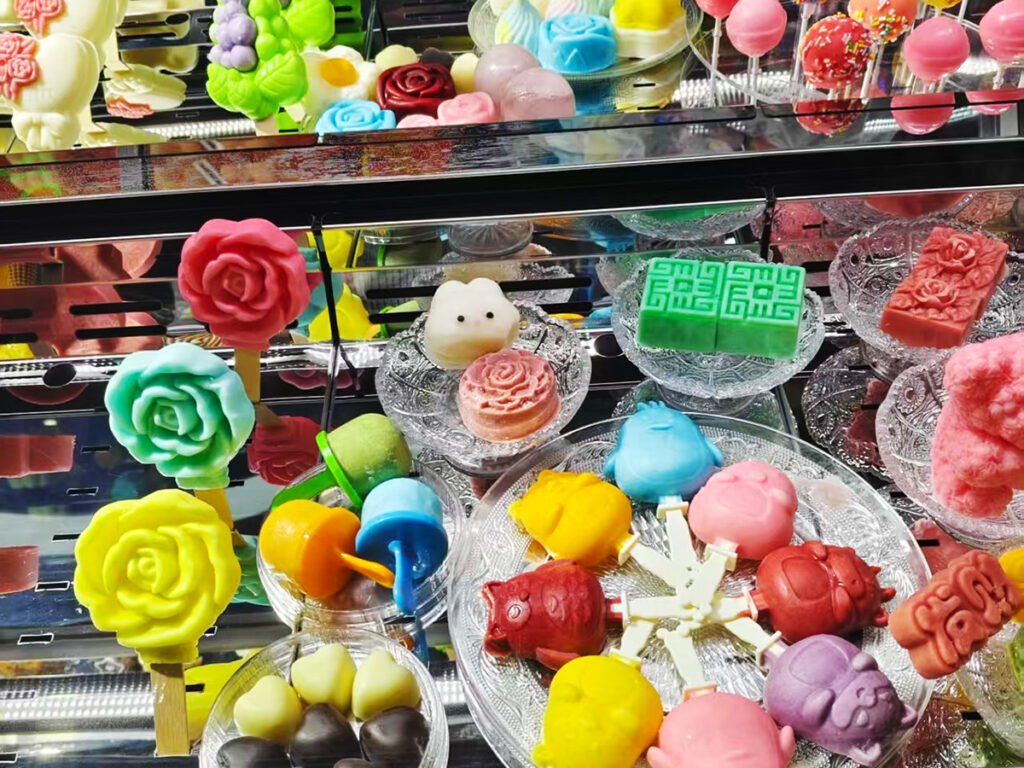
1. Nature’s Palette: A Rainbow You Can Trust
When you taste naturally colored ice cream, you’re not just enjoying dessert, you’re eating the earth’s artistry.
- Beetroot gives ice cream a velvety pinkish-red that perfectly complements flavors like raspberry, red velvet, or rose.
- Turmeric brings a cheerful golden yellow that pairs beautifully with honey or coconut.
- Matcha green tea creates a serene jade green—earthy, elegant, and antioxidant-rich.
- Blue spirulina offers a magical ocean-blue shade perfect for “mermaid” or “blue moon” ice cream, all without synthetic chemicals.
- Butterfly pea flowers infuse a dreamy violet-blue that deepens naturally when touched with lemon or citrus—an edible chemistry show!
Each color tells a story, reflecting the ingredient’s natural beauty. A pistachio ice cream made with real nuts won’t glow neon green, but that muted, creamy tone is the real deal, the color of authenticity.
2. Healthier Option: Goodbye Synthetic Dyes, Hello Clean Living
For decades, the bright appeal of artificial colors like Red 40, Yellow 5, and Blue 1 masked what was missing: nutritional value and purity. These dyes, derived from petroleum, have been linked to behavioral issues, allergies, and other sensitivities.
Natural coloring, however, comes straight from the farm, not the factory. Ingredients like berries, carrots, spinach, and even cocoa offer both visual and nutritional appeal. They’re rich in vitamins, minerals, and antioxidants, giving ice cream a healthful twist.
Imagine a strawberry ice cream made with fresh puree. It’s not just pinker, it’s packed with vitamin C and fiber. Choosing natural colors turns indulgence into something your body can thank you for later.
3. Flavor That Matches Its Color
Here’s the thing about synthetic colors: they fool your eyes, but they do nothing for your tongue. Natural colors, on the other hand, bring real flavor to the party.
Take these examples:
- Black sesame ice cream: Its rich gray hue signals the nutty, roasted flavor inside.
- Ube (purple yam) ice cream: That royal purple color isn’t paint. It’s pure yam goodness, creamy and lightly sweet.
- Mango ice cream: Made with fresh mango pulp, it glows with a sunset orange that’s as tropical as it tastes.
- Strawberry basil sorbet: Deep pink from real strawberries and a hint of green from basil—refreshing and honest.
With natural coloring, what you see is what you taste. There’s no disconnect between appearance and flavor, just harmony.
4. Sustainability: Coloring the Planet Green
The story of natural color isn’t just about better eating. It’s also about better living. Natural colorants come from renewable plant sources that often use existing agricultural byproducts.
For instance:
- Beet and carrot extracts can come from “ugly” vegetables that might otherwise go to waste.
- Spirulina farming supports sustainable microalgae cultivation.
- Berry waste from jam or juice production can be repurposed into natural color concentrates.
By choosing naturally colored ice creams, consumers support brands committed to eco-friendly, circular production. It’s dessert that does good.
5. Clean Labels, Clear Consciences
Today’s consumers are label detectives. They want to know where their food comes from, how it’s made, and what’s in it. Clean labels those that use short, understandable ingredient lists are the new standard of trust.
When people see “carrot juice” or “spirulina extract” instead of “FD\&C Yellow No. 6,” they feel reassured. Some new brands have built their reputations around transparency, sourcing natural ingredients and proudly showcasing the real colors of nature.
6. How to Spot Naturally Colored Ice Cream
Want to make the switch yourself? Look for:
- Muted or earthy tones: Natural colors are rarely fluorescent.
- Simple labels: Ingredients you can pronounce (no numbered dyes).
- Small-batch or artisan brands: Often committed to natural sourcing.
- Transparency: Brands that highlight real fruit, plant extracts, or spices on the label.
You can even experiment at home! Blend frozen bananas with berries, mangoes, or matcha to create vibrant, naturally colored “nice cream.” It’s plant-based, healthy, and visually stunning.
8. The Emotional Impact: Natural Colors Feel Better
Color doesn’t just affect our appetite, it affects our emotions. Natural shades are softer, more comforting, and more authentic. Artificial neon pink may scream “fun,” but a gentle strawberry blush whispers “fresh.”
Studies show that natural tones are associated with trust and quality. That means naturally colored ice cream isn’t just good for your health, it enhances your emotional connection to food. When your dessert looks real, it feels real and that matters.
A Celebration of Real Color
In a world full of artificial shine, choosing natural colors in ice cream is an act of mindfulness. It’s a choice for wellness, sustainability, and authenticity.
So next time you see a rich pink strawberry, a golden mango, or a soft lavender scoop, you’ll know: that’s not just dessert, it’s nature’s art.